The Pathways Rotary Club proudly partners with Cooperative for Education in support of a shared vision: a Guatemala transformed through education. We envision a future where every Guatemalan child learns to read, develops essential technology skills, and graduates from high school prepared to succeed.

We believe that when young people are empowered with the education and opportunities to rise out of poverty, they not only change the course of their own lives—they help shape the future of their communities and the destiny of their country.

The Guatemala Literacy Project (GLP) is one of the largest grassroots, multi-club, multi-district projects in Rotary. More than 900 clubs and 90 districts have been working together since 1997 to improve education for underserved students in Guatemala. In that time, more than 312,000 students have been served through four sustainable programs that are tested and proven to work. In 2017, then-RI President Ian Riseley called the GLP “the gold standard of Rotary projects” for its sustainability and impact.


The Guatemala Literacy Project is made up of four Parts:

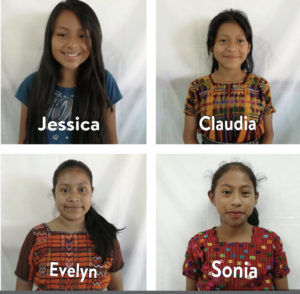
  • The Rise Program: Pathways sponsors 5 students.
  • The Textbook Program: Pathways has provided textbooks for 4 schools.
  • Spark Reading Program
  • Technology

The Rise Program identifies promising young students who would otherwise be forced to drop out of school and gives them the tools to break the cycle of poverty.

In addition to full academic scholarships, Rise offers mentorship, counseling, and psychological support and engages students in workshops, community service, and visits to local businesses and universities that help them rethink their futures.

Only 10% of rural Guatemalans graduate from high school. CoEd’s Rise Youth Development Program helps promising students become the people they dreamed of being.

Each year, with the help of sponsors, CoEd provides full academic scholarships to hundreds of Indigenous Maya students in impoverished communities throughout Guatemala. In addition to removing economic barriers to education, the Rise Program also provides a support system to help students rise above the challenges they face.

It Takes 12 Years
In Guatemala, it takes 12 years of education to support a two-person family above the poverty line, but 90% of impoverished kids never reach that milestone.


Many come from regions where individuals typically complete fewer than two years of schooling. Families often live on less than $4 a day and can neither afford the direct cost of attending school (tuition and fees) nor the opportunity cost of keeping children in school when they could be working and contributing to the family’s income.

In addition to economic challenges, students face many other pressures to drop out, including alcoholism, gangs, teen pregnancy, abuse, and a lack of support from their families.

Many come from regions where individuals typically complete fewer than two years of schooling. Families often live on less than $4 a day and can neither afford the direct cost of attending school (tuition and fees) nor the opportunity cost of keeping children in school when they could be working and contributing to the family’s income.

In addition to economic challenges, students face many other pressures to drop out, including alcoholism, gangs, teen pregnancy, abuse, and a lack of support from their families.

More Than a Scholarship

Each year, with the help of sponsors, the GLP provides full academic scholarships to hundreds of indigenous Maya students in impoverished communities throughout Guatemala. In addition to removing economic barriers to education, the Rise Program also wraps students in a support system to help them overcome the pressure to drop out of school:

  • Sponsors’ investment in students’ education inspires them to persevere.
  • Program staff provide social work, academic support, and guidance to see students through to graduation.
  • Teacher guides serve as mentors and keep a watchful eye on struggling students.
  • Peer mentoring builds a support system among students.
  • Home visits involve parents in their children’s success.

Imagine Learning without Books

More than 90% of schools in rural Guatemala don’t have access to textbooks. Without them, students waste most of their learning time copying the teacher’s notes from the blackboard. Not surprisingly, they quickly lose motivation and enthusiasm for school, and drop out. Of every 10 children in Guatemala, only four will make it to middle school, and only two will complete secondary school. This means that a staggering 80% or more of young, rural Guatemalans never graduate from high school!

The Textbook Program has a 26-year successful track record of increasing the amount of material covered in classes, improving the learning experience, and reducing dropout rates by an average of 16%. We estimate that more than 300 students who are in the program this year decided to stay in school because of the Textbook Program. Studies show that, simply by staying in school, young people in Guatemala can improve their earning potential by as much as 182%. With higher wages, they can escape the hardship that has plagued their families for generations—breaking the cycle of poverty, once and for all.

An independent study of the Textbook Program also showed that Textbook Program students score higher on standardized math and reading tests than students at comparison schools.

The GLP provides a low-cost, sustainable solution for giving students access to textbooks. Every program participant “rents” a set of books in core subjects like math, science, Spanish language, and social studies for a small monthly fee (about $1.50). Books are purchased in bulk directly from a large Guatemalan publisher, thus securing the lowest possible price and contributing to the local economy.

How it Works: Teachers also receive training in how to effectively use textbooks in their classrooms. Each teacher attends three training seminars when their school enters the program, and receives follow-up coaching sessions in their own classroom. Teachers learn how to use the textbooks to engage students in the learning process and to achieve the objectives of Guatemala’s national middle school curriculum.

Reality in Rural Guatemala

Imagine you are seven years old. If you live in rural Guatemala, your parents are likely Maya, subsistence farmers, illiterate, and dropped out of school before the sixth grade. Quite possibly, you have never come in contact with a book, either at home or in school. Your teachers probably received little more than a high school education, and lack the training and resources they need to make a meaningful difference in your life.

The GLP’s Spark Reading Program trains primary-school teachers in effective reading instruction and provides them with a library of books. Teachers receive two years of intensive training combined with individual support and instruction through in-class visits. They also receive 60-192 high-quality children’s books (depending on grade level and class size), which enable them to read with their students every day.

These teachers transform their students into enthusiastic, competent, and lifelong readers. Their students achieve more in school, continue their education longer, and overcome the obstacles presented by low literacy.

The Spark Methodology

Early grade literacy is central to the Spark Program’s methodology.

Kindergarten and first through third grade teachers focus on recognizing sounds and the ABCs—the building blocks for being able to sound out words—along with grammar and vocabulary, which make up the language knowledge to allow for reading fluency and comprehension. Third through sixth grade teachers build on these foundations to explore the written world more deeply, further developing fluency and vocabulary, along with reading comprehension strategies and activities in critical thinking and analysis.

The program starts developing reading comprehension in the early grades—and helps kids explore their own creativity. Teachers use the books to implement strategies for reading aloud that gain children’s interest and engage them in critical thinking. Students act out the story, bringing the text to life. They also retell it, using their own words and drawings to demonstrate their understanding. Children further develop essential literacy skills by authoring original stories on topics or themes important to their lives.

For example, seven year-old Spark student Fernando Augusto Gonzalez, separated from his parents at age three when they migrated to the U.S. to find work, authored a book about the night sky. He described seeing his parents’ faces in the stars, and how this helps him feel connected to them, even though they live far away.

Spark’s simple and straightforward methodology rapidly builds Spanish vocabulary, strengthens reading comprehension, builds confidence and competence working with written language, and makes the learning process more meaningful. For the first time, young people in these schools are enthusiastic about reading and writing.

The Technology Program

The Demand for Technological Literacy

While almost 60% of entry-level jobs in Guatemala require computer skills, children in rural communities lack access to computer technology. In some communities that the Guatemala Literacy Project (GLP) serves, 100% of students had no experience with computers before the arrival of the program.

When rural, indigenous youth enter the job market without the same training as their urban peers, they face unemployment and economic hardship. As the digital divide grows, so do income disparities, inequality, and poverty. GLP Computer Centers in rural middle schools create opportunities for Maya youth to gain the skills they need to continue their education, secure higher-wage jobs, and permanently raise their standard of living.

How the Program Works

The GLP establishes Computer Centers in middle schools throughout the Western Highlands, providing young people with access to state-of-the-art technology.

The community partners with the GLP to renovate or prepare a classroom to be a fully functioning Computer Center, with proper security, wiring, ventilation, and lighting.

All equipment is purchased in-country (to secure the lowest possible price and contribute to the local economy) and installed once the space is ready. A typical Computer Center houses 12-30 current-model PCs or 27-42 current-model laptops.